The developer vs general contractor Mountain Brook, AL question decides who you call first on your project. Hire the wrong one and you'll spend months waiting on zoning answers a general contractor was never equipped to give you. Here's exactly where each role starts, stops, and overlaps.
About this guide: Written by Colby Reece, a licensed Alabama general contractor and project manager who has run residential builds and remodels across Jefferson County for more than 15 years. Questions about your specific project? Contact our team directly.
What Does a General Contractor Do?
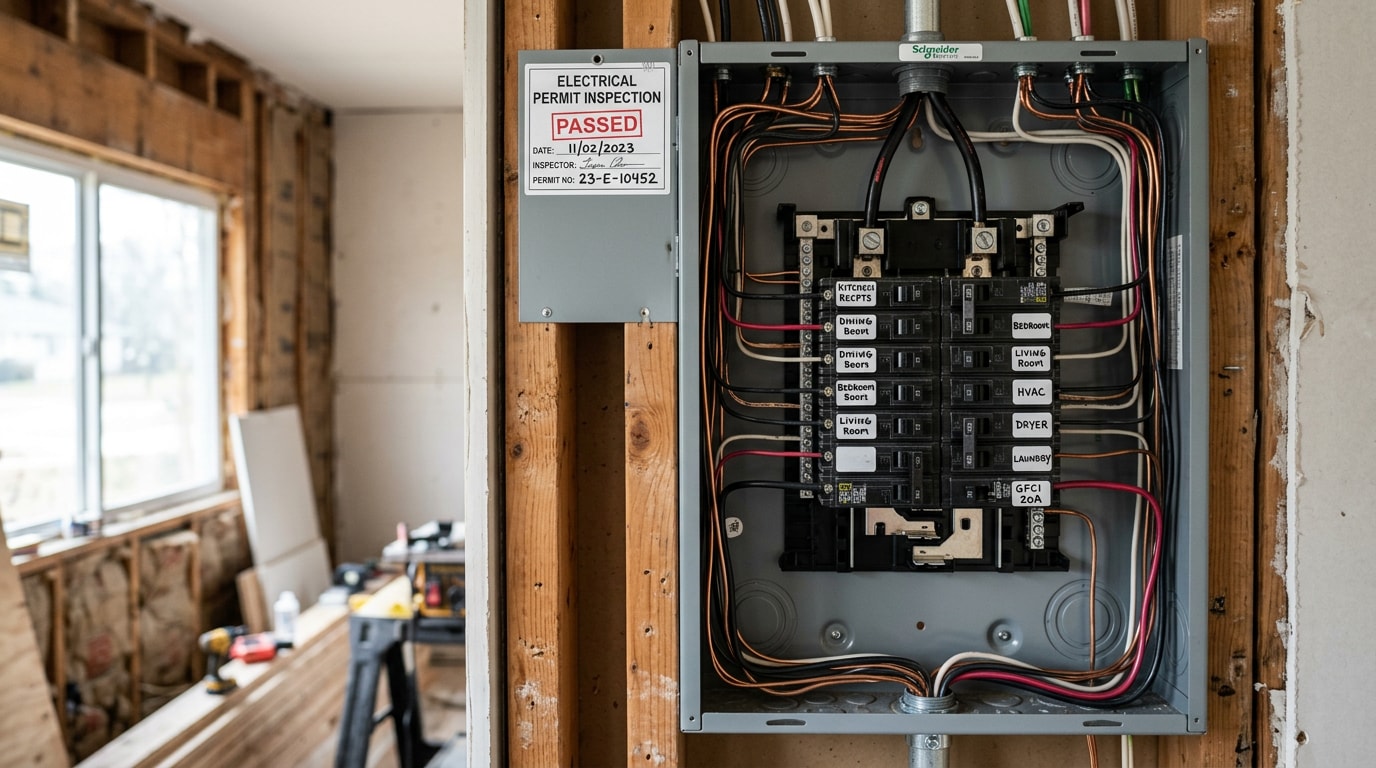
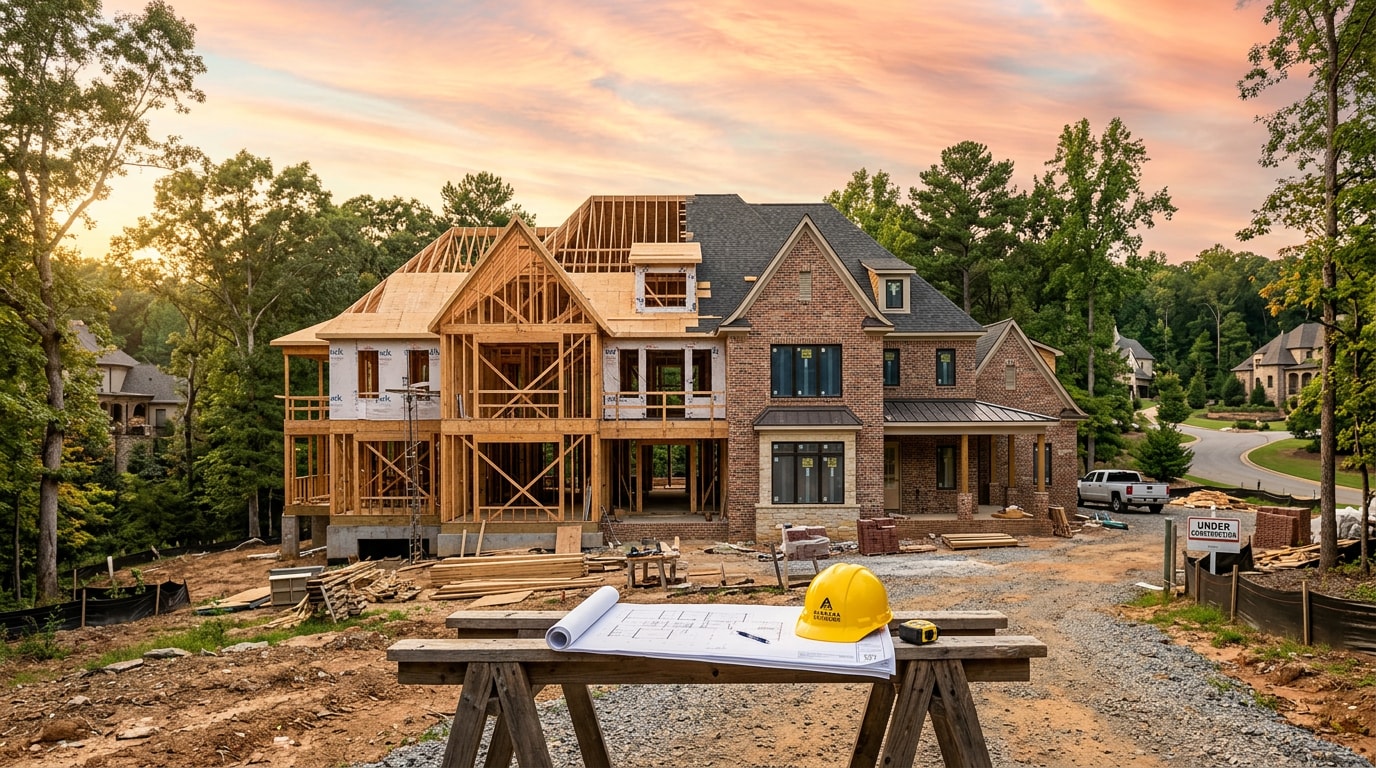
A general contractor Mountain Brook homeowners hire manages the day-to-day build. He's not the person who decided what gets built in the first place.
A GC oversees construction activity, coordinates subcontractors, and keeps the job on schedule and on budget. Two responsibilities sit at the core of that role:
- Project planning — setting the construction schedule and daily workflow.
- Construction management — supervising builders, subcontractors, laborers, vendors, and suppliers.
General contractors typically carry no ownership stake in a project. A developer, or you as the homeowner, hires the GC to execute construction, not to own the outcome or absorb the financial risk if the project underperforms.
Want to see how this plays out on an actual project? Take a look at our custom home builder services in Mountain Brook to get a feel for a typical construction management scope.
What a General Contractor Typically Does Not Do
A GC typically does not:
- Identify or evaluate the site
- Underwrite the financial deal
- Lead the zoning or entitlement process
- Source construction or acquisition financing
- Decide what should be built on a parcel
Those pre-construction decisions fall on whoever hired the GC, usually the owner or a developer. If nobody has handled zoning, permitting, or design direction yet, a GC alone won't fill that gap. You need someone else in the picture first.
What Does a Developer Do?
A real estate developer conceptualizes the project, secures financing, and acquires the land, and is ultimately responsible for whether the development succeeds or fails financially. It's a broader, earlier-stage role than construction management.
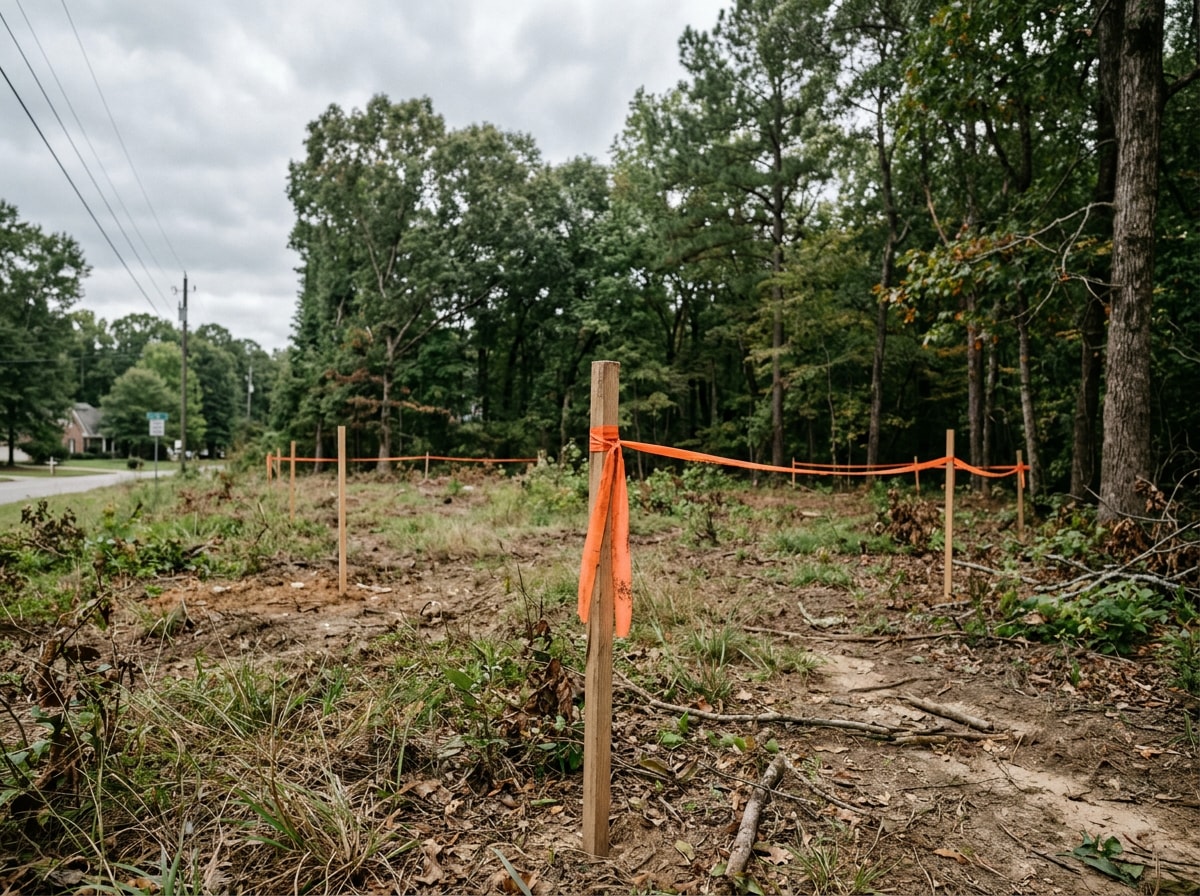
In practice, a developer buys land to build residential or commercial real estate, then assembles financing, obtains zoning permissions, and secures permits before a shovel touches dirt. According to HUD's land use planning guidance, a community's zoning ordinance is the principal legal tool available for the implementation of its comprehensive plan and the definition of the community's land use policies . That ordinance is exactly what a developer has to navigate before construction can begin.
Put simply, a developer identifies opportunities, evaluates whether a site can be built on, puts together financing, and hires and manages the design team. None of that requires swinging a hammer. It requires capital, patience, and a working relationship with the local planning department.
Key Differences Between a General Contractor and a Developer
Once you understand each role individually, the differences break down into three practical categories.
Ownership
Developers typically hold an ownership stake in the project and bear the financial risk if it fails. GCs do not. A general contractor's liability is tied to the quality and timeliness of construction, not to whether the project turns a profit.
Scope of Work
Developers are involved from inception through eventual sale or occupancy. General contractors are only involved in the construction phase. That distinction plays out differently depending on the project:
- A historic renovation near Cahaba Road, where permits and design are already locked in, is largely a GC job.
- A ground-up new build on a vacant lot in a newer Mountain Brook subdivision almost always needs developer-level decisions first: site evaluation, zoning confirmation, and financing.
Financial Role
Developers secure funding and oversee the complete project budget across its full lifecycle. GCs are responsible for budgeting and costs tied specifically to construction activities.
On a straightforward Mountain Brook renovation, your GC contract typically covers labor, materials, and subcontractor costs, and you finance it directly. On a ground-up development, land cost, entitlement fees, and construction financing stack on top of each other well before a GC's construction budget ever enters the picture. If you want to see how that contract language usually gets structured, our guide to general contractor contracts for Mountain Brook homeowners breaks down what should and shouldn't be in the paperwork.
General Contractor License Requirements in Alabama
This is the part most guides get wrong, because the rule changed recently.
Alabama's commercial general contractor threshold used to be $50,000. As of October 1, 2024, that's no longer accurate. Legislative Act 2024-277 increased the minimum contract amount from fifty thousand dollars ($50,000) to one hundred thousand dollars ($100,000) for anyone doing commercial or industrial work in Alabama. A lot of older blog posts and directory listings still quote the old $50,000 figure, so double-check any source dated before late 2024.
| License Board | Project Type | Threshold |
|---|---|---|
| Alabama Licensing Board for General Contractors (LBGC) | Commercial / industrial | $100,000 or more |
| Alabama Home Builders Licensure Board (HBLB) | Residential construction / remodeling |
$10,000
| or more | ||
|---|---|---|
| LBGC (specialty) | Swimming pool construction | $5,000 or more |
Mountain Brook sits in Jefferson County, so any GC working on a commercial project above $100,000, or a residential project above $10,000, needs an active Alabama license under the correct board, not just a local business license. Always verify license status directly with the board before signing anything.
For current thresholds straight from the source, see the Alabama Licensing Board for General Contractors' notice on the 2024 rule change. You can also review our Mountain Brook service area page for details specific to this market.
When You Need a Developer vs. When You Need a General Contractor
The decision comes down to how much is already settled on your project.
If you own a building that needs a gut renovation and already have approved drawings and permits, you need a general contractor. If you own a site and don't yet know what to build, how to finance it, or what the city will allow, you need a developer, or at minimum a development manager.
| Scenario | Who You Likely Need |
|---|---|
| Renovating an existing home in Mountain Brook Estates with approved plans | General contractor |
| Developing a vacant lot in unincorporated Jefferson County | Developer, then GC |
| Buying raw land with no roads or utilities | Developer |
| Major remodel of an existing structure | General contractor |
| New custom home on an owned, entitled lot | GC, with design consultation |
In many cases you'll need both development and general contracting services on the same project, just at different stages. If your project starts with a bare lot, our site preparation and home design consultation services cover the early groundwork before a GC crew ever mobilizes.
Benefits of Hiring a Team That Offers Both Services
Hiring one team for development, design, and construction can:
- Save time by eliminating the need to vet and hire several separate companies
- Create collaboration from day one instead of handing off between disconnected firms
- Reduce change orders and coordination headaches during the build
- Keep one point of contact accountable for the whole timeline
Design-build is an integrated approach that delivers design and construction services under one contract with a single point of responsibility. The Design-Build Institute of America tracks how this delivery model affects project timelines and cost control nationally, and the same logic holds in smaller Southeastern markets like Mountain Brook, where many firms are closely tied to their construction operations.
Ready to find out which path your project needs? Get a free estimate and we'll walk through whether you're at the developer stage or ready for a general contractor.
FAQ
Is a Developer the Same as a General Contractor?
No. Both play critical roles in building real estate, but they carry different responsibilities, ownership stakes, and levels of financial risk. A developer owns the outcome; a GC manages the build.
Can a General Contractor Also Be a Developer?
Yes. A GC can act as a developer when taking on land acquisition and financing directly, and developers sometimes act as builders when they handle construction themselves. That overlap is part of why the terms get used interchangeably.
Do I Need a Developer or a General Contractor for My Mountain Brook Project?
It depends on how far along your project is. If land, zoning, and financing still need to be sorted out, start with a developer. If plans and permits are already in place, go straight to a general contractor consultation through our contact page.
What's the Difference Between a General Contractor and a Builder?
Builders and general contractors overlap but differ in scope. Builders often focus on specific aspects of construction or smaller-scale projects, while GCs typically manage the entire construction process from start to finish.
What's the Difference Between a General Contractor and a Construction Manager?
A construction manager usually acts as an owner's advisor, overseeing budget and schedule on the owner's behalf, sometimes without holding the actual trade contracts. A general contractor typically holds those contracts directly and is on the hook for delivering the finished work.
Does Mountain Brook Require Special Permits for New Development?
Yes. Any new development or major addition in Mountain Brook goes through the city's zoning and building permit process before construction can start, on top of any state contractor licensing requirements. Confirm both with the city and the relevant Alabama licensing board before you sign a contract.
For a broader look at how these roles show up across other project types in the area, see our homeowner's guide to residential general contractor services in Mountain Brook, or visit our homepage to see our full range of construction and waterproofing services.