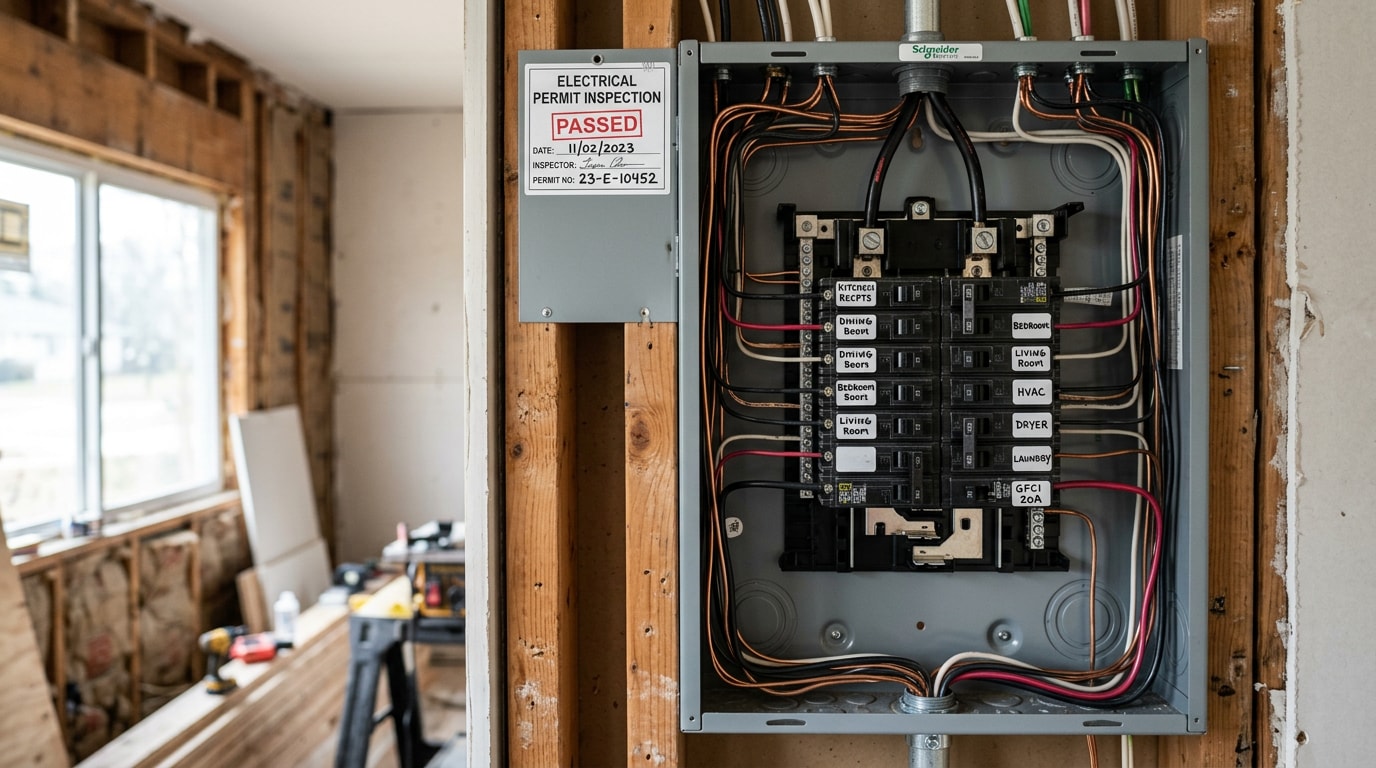
A general contractor lawyer gets involved when a Vestavia Hills renovation or build goes sideways — unpaid invoices, a disputed change order, or a lien notice showing up in the mail. Most of these fights are preventable, and the ones that aren't move faster when you know which questions to ask before you ever sign a retainer agreement. This guide covers when to call an attorney, how Alabama's lien and contract laws actually work, and what a licensed general contractor does differently to keep a project out of court in the first place.
When Vestavia Hills Homeowners Actually Need a Construction Lawyer
Not every disagreement needs a lawyer. A missed callback or a scheduling slip usually gets fixed with a phone call. Legal counsel earns its fee in a narrower set of situations:
- You're about to sign a contract for a custom build, major addition, or commercial buildout and want the liability, payment, and termination clauses reviewed before you're locked in.
- A contractor or subcontractor hasn't been paid and is threatening, or has already filed, a lien against the property.
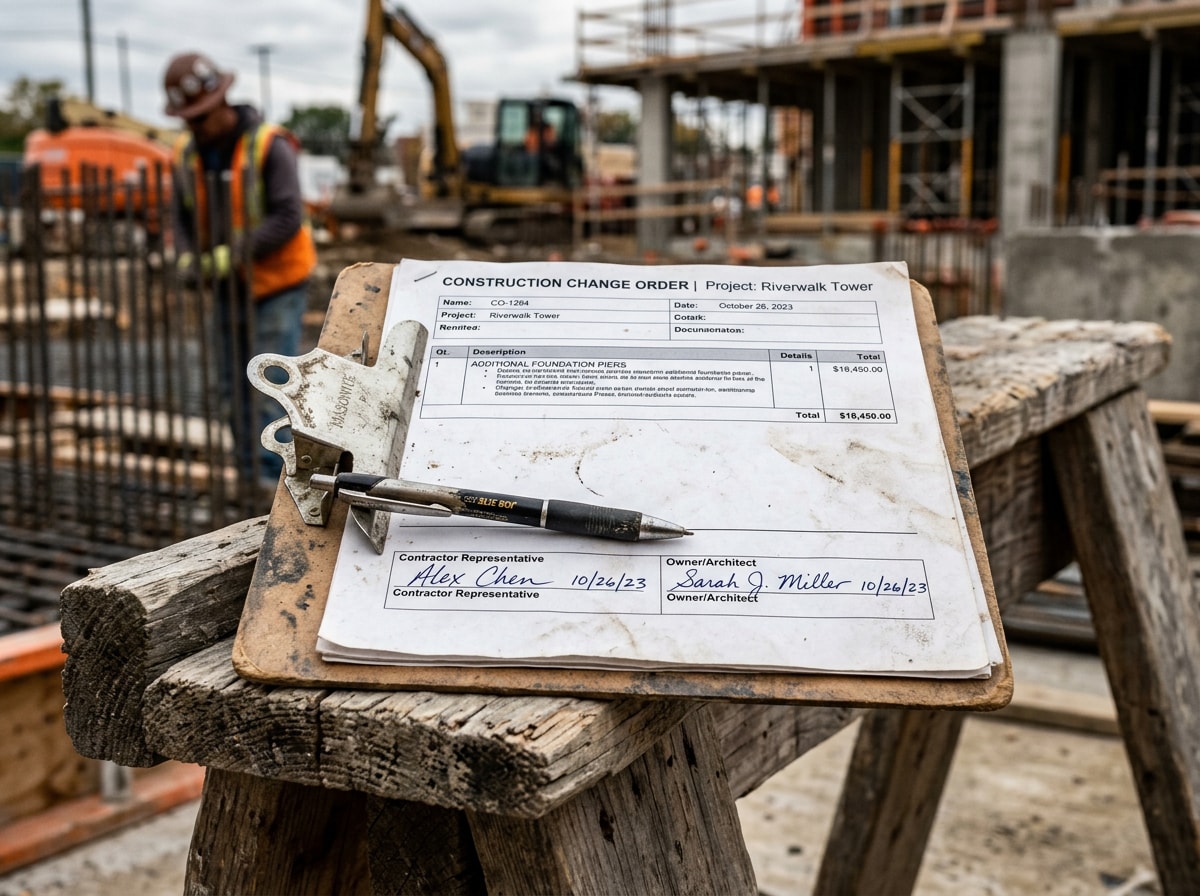
- A change order dispute has stalled the project and nobody agrees on the revised price or scope.
- You suspect defective workmanship that a contractor won't correct under warranty.
- A dispute has moved past negotiation and either side is talking about filing suit.
In Vestavia Hills, that plays out in custom home builds near Liberty Park, renovations around Cahaba Heights, and smaller commercial buildouts along U.S. 31. Alabama also sets licensing thresholds tied to project value, so it's worth checking current figures with the Alabama Licensing Board for General Contractors, which licenses contractors performing commercial and industrial work statewide, with a license required when the cost of the undertaking is $100,000 or more before you sign anything sizable. You can confirm license status directly through the Alabama Licensing Board for General Contractors.
Common Types of Construction Disputes in Jefferson County
Most disputes fall into a handful of recurring categories: breach of contract, defective or substandard workmanship, project delays, change order disagreements, non-payment, subcontractor and supplier claims, bond claims, and warranty or punch-list arguments.
A pattern we see often: a homeowner mid-remodel adds a kitchen expansion, the contractor submits a change order reflecting new costs, and the homeowner disputes the pricing. If nobody puts the revised terms in writing, that disagreement can spiral into a full breach-of-contract claim. Payment and subcontractor disputes tend to follow the same script — unclear scope changes lead to unclear payment expectations, and unclear payment expectations lead to lawsuits.
Mechanic's Liens and Payment Recovery in Alabama
Alabama law lets a contractor, subcontractor, or material supplier who wasn't paid protect their right to recovery through a mechanic's lien. Alabama's construction lien law governs the rights of contractors, subcontractors, materialmen, and laborers to assert a claim against real property when payment for work or materials has not been received.
A few things worth knowing before you're on either side of one:
- Subcontractors and suppliers without a direct contract with the owner have to protect their rights early.
Subcontractors and materialmen who lack privity with the owner must serve a written notice of lien claim on the property owner to preserve rights, and under Ala. Code § 35-11-218, this notice must be served within 30 days after the claimant last performed work or furnished materials.
- Filing requires recording a verified statement of lien with the probate court in the county where the property sits.
- Deadlines vary by role on the project, so don't calculate your own filing window from a blog post. Confirm the exact statute at Alabama Code Title 35, Chapter 11 or with an attorney.
What Damages Can Be Recovered in Construction Litigation?
When a dispute reaches litigation, the wronged party may recover monetary damages meant to put them in the position they'd have occupied had the contract been performed correctly. Some contracts include a liquidated damages clause — a pre-set amount owed per day of delay — which courts will only enforce if it reflects a reasonable estimate of actual harm, not a penalty.
| Damage Type | How It's Calculated | Example |
|---|---|---|
| Liquidated damages | Fixed daily rate set in contract | $500/day x 10 days late = $5,000 |
| Actual/compensatory | Proven financial loss | Repair costs, lost rental income |
| Attorney's fees | Only if contract or statute allows | Shifted to losing party in some cases |
Each side normally pays its own attorney's fees in American litigation, but construction contracts often include fee-shifting language that changes that default. Review any fee-shifting clause carefully before you sign.
Timing matters too. Alabama has a six-year statute of limitations for actions based on written contract, under Ala. Code §6-2-34. The clock generally starts at the breach, not at signing, so a problem that surfaces years into a warranty period may still be actionable.
How the Right General Contractor Helps You Avoid Needing a Lawyer at All
Here's the part most legal guides skip, because it comes from the contracting side of the table, not the courtroom side. In our own projects across Vestavia Hills, Mountain Brook, and Hoover, nearly every dispute we've seen traced back to the same three gaps: a verbal change order, a payment schedule that wasn't tied to specific milestones, or a scope of work vague enough that two people could read it two different ways.
A contractor who wants to keep you out of court will:
- Put every change order in writing, priced and signed, before the work starts — not after.
- Tie each payment draw to a specific, inspectable milestone instead of a vague percentage.
- Document site conditions with photos before covering up foundation, framing, or waterproofing work.
- Collect lien waivers from subcontractors and suppliers at each draw, so an unpaid sub can't surprise you later.
- Walk you through the contract line by line before you sign, instead of handing you a template and a pen.
That's the standard we hold ourselves to on every custom home build and remodel we run in the Birmingham metro. If you want to see what a clearly written owner-contractor agreement should include before your next project starts, our breakdown of a general contractor contract with the owner walks through the clauses that prevent most of the disputes covered above.
Finding the Right Attorney for Your Vestavia Hills Project
If a dispute has already moved past the point a contractor can resolve, look for counsel who:
- Handles construction matters regularly, not as a side practice.
- Is comfortable in both state and federal court, even though most disputes settle before trial.
- Can explain, in plain terms, how your specific contract clauses affect your options.
- Offers a free or low-cost initial consultation so you can evaluate fit before committing.
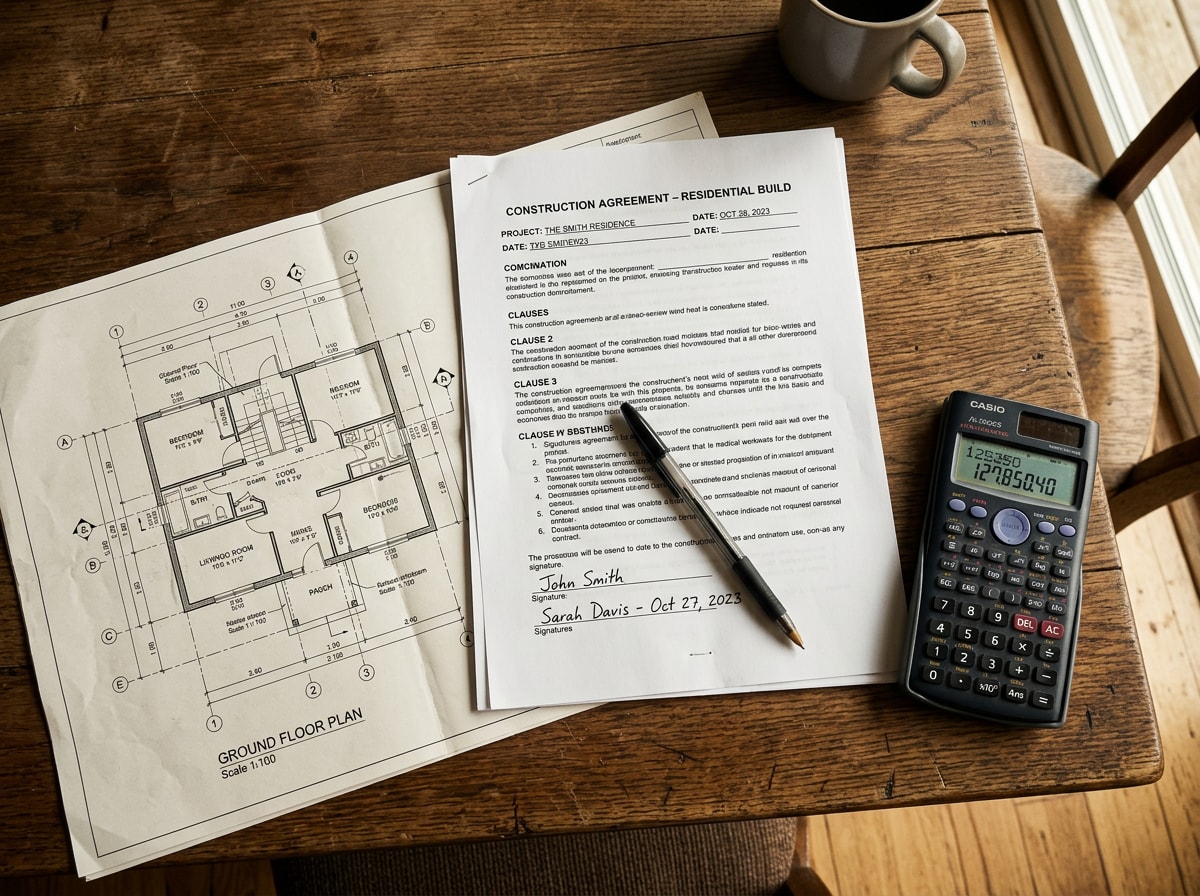
Bring your signed contract, every change order, payment records, and any written communication about the dispute to that first meeting. The more documentation you have, the faster an attorney can tell you whether you have a case worth pursuing.
If the dispute hasn't reached that point yet, or you're planning a project and want it built on a contract that holds up, get a free estimate and we'll walk through the scope, payment schedule, and documentation plan before you sign anything. You can also see our full range of services on the homepage or browse projects specific to Vestavia Hills.
FAQ
When should I hire a lawyer for a contractor dispute?
Consider counsel before signing a high-value contract, once payment is delayed, when a change order is disputed, or if a lien or lawsuit seems likely.
How much does a construction lawyer cost?
Costs vary by hourly rate, flat fee, and case complexity. Many firms offer a free initial consultation to discuss pricing before you commit.
What does a general contractor lawyer do?
They handle contract review, lien and payment recovery, dispute resolution, and litigation for construction-related matters on behalf of owners, contractors, or subcontractors.
Do I need an attorney to sue a contractor in Alabama?
A party has six years to file a lawsuit for breach of a written contract, and this period begins when the breach occurs, not when the contract was signed. You don't legally need an attorney to file, but one significantly strengthens your position and helps you avoid procedural mistakes that can get a case dismissed.
Can a general contractor help prevent a dispute before it starts?
Yes. A contractor who documents change orders in writing, ties payments to inspectable milestones, and reviews the contract with you line by line before signing eliminates most of the ambiguity that leads to disputes in the first place.
What's the difference between a construction attorney and a general contractor?
A construction attorney handles legal disputes, contract enforcement, and litigation. A general contractor manages and builds the project itself. The best outcome usually involves a contractor who writes clear contracts up front and an attorney who steps in only if something goes wrong.
This article is for general information and doesn't constitute legal advice. For guidance on a specific dispute, consult a licensed Alabama attorney. For questions about contract structure, documentation, or your current project, reach our team through contact us.