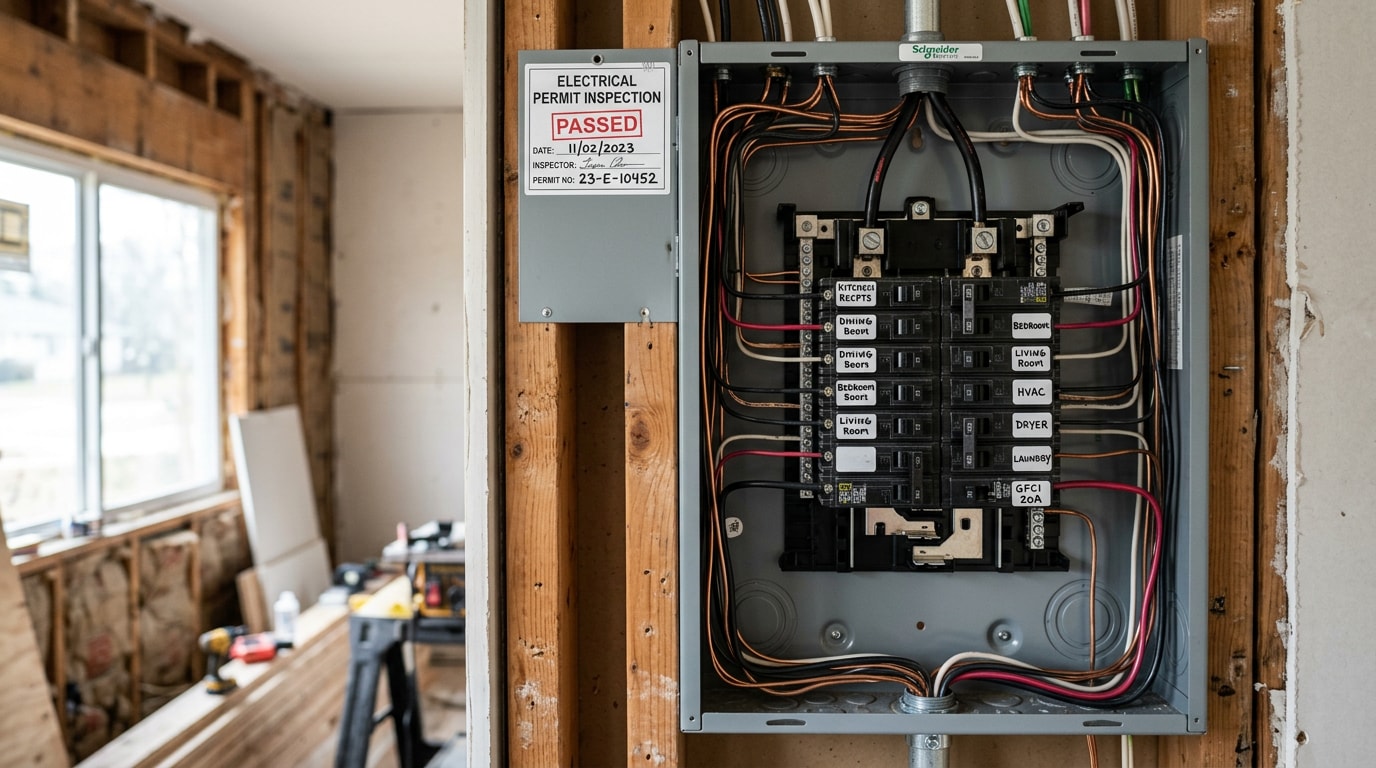
If you're planning a remodel, addition, or new build near Homewood, one question comes up before anything else: what's a fair general contractor fee in Homewood, AL? The answer depends on project size, contract structure, and how much coordination your contractor is handling. This guide breaks down typical percentages, hourly rates, and real local numbers so you know what to expect before requesting bids.
Average General Contractor Fee in Homewood, AL
Most general contractors charge a fee equal to 10% to 20% of your total project cost, though smaller jobs are often billed at $50 to $150 per hour instead. That range covers overhead, scheduling, and profit margin, not just time on-site.
Here's what that looks like in practice: a $150,000 kitchen-and-addition project in Homewood, at a 10% to 20% fee, puts the general contractor's cut somewhere between $15,000 and $30,000. A smaller $25,000 bathroom remodel typically carries a fee closer to $2,500 to $5,000. Dollar totals in Homewood and the greater Birmingham metro tend to land on the lower end of national ranges, since Alabama's overall construction costs run below coastal and major-metro averages.
After reviewing bids across dozens of Homewood-area projects, the fee disputes that come up almost always trace back to one thing: homeowners never confirmed whether the percentage quoted included material markup or just labor oversight. Ask that question before you compare numbers side by side.
General Contractor Fee Percentage Markup
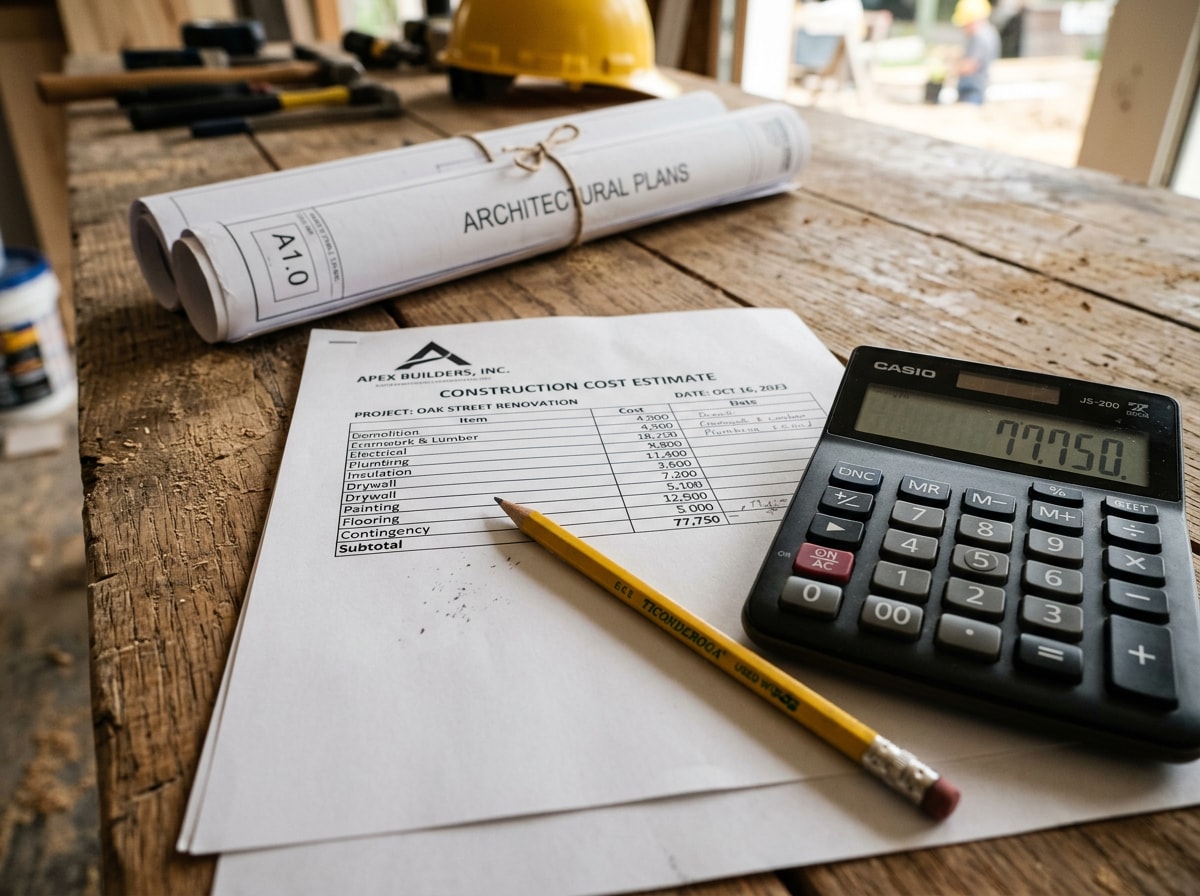
The general contractor fee percentage markup usually covers labor, materials, and supplies in one combined rate, landing between 10% and 20% of total project cost. Some contractors charge this as a flat, fixed percentage set upfront. Others use a cost-plus arrangement, where the markup applies to actual costs as they're incurred, so the dollar fee shifts with final material and labor pricing.
A fixed percentage gives homeowners more budget certainty from day one. A cost-plus markup can work in your favor if the project comes in under budget, but the fee also grows if change orders or material prices climb mid-project. Ask which model your contractor uses before signing anything, since it changes how your final bill gets calculated.
What Do Most General Contractors Charge Per Hour?
Homeowners in the Birmingham area often ask this before anything else: what does a general contractor charge per hour? Most bill $50 to $150 per hour, with the rate landing higher for specialty trades or unusually complex scopes.
Hourly billing is mainly reserved for smaller tasks, like consultations, minor repairs, or pre-construction planning, rather than full remodels or new builds. Once a project moves into a defined scope involving multiple subcontractors, most contractors switch to a percentage-based or fixed-price fee instead. If someone quotes an hourly rate for a whole-home renovation, ask why; it's unusual outside of small or open-ended jobs.
Cost-Plus vs. Fixed-Price: How the Percentage Model Actually Works
General contractors typically price projects one of three ways: a percentage of total cost, an hourly rate, or a fixed-price contract. The percentage and fixed-price models get confused often, but they handle risk very differently.
In a cost-plus contract, you pay actual costs plus an agreed fee percentage, so the total can move if materials or labor run over expectations. In a fixed-price contract, the contractor agrees to one number upfront and absorbs most of the overrun risk themselves, assuming scope doesn't change. A guaranteed maximum price (GMP) splits the difference: cost-plus up to a capped ceiling, after which the contractor covers anything beyond it. The American Institute of Architects documents all three structures in detail if you want the formal contract language before you sign anything (see the AIA's overview of common construction contract types).
| Structure | How It's Priced | Who Bears Overrun Risk |
|---|---|---|
| Fixed-Price | One agreed total upfront | Contractor |
| Cost-Plus | Actual cost + fee percentage | Homeowner |
| Cost-Plus with GMP | Cost-plus up to a capped ceiling | Shared, contractor above cap |
Say a Homewood-area bathroom remodel is priced at $50,000. Under fixed-price, that number holds even if tile costs spike. Under cost-plus at a 15% fee, you'd pay actual costs plus $7,500, more if the project runs over, less if it comes in under. A GMP version might cap the total near $55,000, giving cost-plus flexibility with a ceiling on surprises.
General Contractor Costs by Project Type
The fee percentage generally stays in the same 10% to 20% range across project types, but the dollar amount changes dramatically with project size.
| Project Type | Typical Total Project Cost | GC Fee (10%-20%) |
|---|---|---|
| Small remodel (bath, small kitchen) | $10,000 - $40,000 | $1,000 - $8,000 |
| Mid-size remodel or addition | $50,000 - $150,000 | $5,000 - $30,000 |
| New home construction | $178,000 - $416,000 | $18,000 - $83,000 |
| Commercial build-out | $500,000+ | 20%-25% of cost |
If you're weighing a full addition or a residential construction project against a smaller remodel, the fee math stays consistent even when the scope doesn't.
New Home Construction Cost
New home construction typically runs $178,000 to $416,000 or more, depending on size, finishes, and lot conditions. Because a general contractor fee on a new build runs the same 10% to 20%, that works out to roughly $18,000 to $83,000 in contractor fees alone.
That higher dollar figure reflects the scope involved: full subcontractor coordination across framing, electrical, plumbing, and HVAC crews, plus permitting, inspections, and scheduling across every trade on-site. A remodel might involve two or three subcontractors. A custom home builder overseeing new construction can involve a dozen or more. That's the main reason new construction carries the largest dollar-value fee of any residential project, even though the percentage itself isn't unusual.
How Do Contractors Determine Labor Cost?
Labor cost determination starts with subcontractor pricing: what electricians, plumbers, framers, masonry contractors, and other trades quote for their piece of the job. The general contractor collects these bids, adds oversight, and builds the combined figure into your total price. Local labor availability, project complexity, and timeline all affect how contractors determine labor cost, which is why two bids on the same project can vary meaningfully.
Commercial General Contractor Fees
Commercial general contractor fees typically run higher than residential fees, landing around 20% to 25% of total construction cost rather than the 10% to 20% residential range. Commercial projects usually involve larger HVAC, electrical, and plumbing systems, heavier equipment, and stricter code and inspection requirements, all adding coordination work.
A commercial percentage near the top of that range is common on projects with complex systems or tight regulatory timelines, like medical offices or restaurants. Homeowners planning residential work shouldn't expect commercial pricing to apply, but it's useful context when comparing fee percentages across project types.
Alabama License Rules That Affect Your Contractor's Fee
Alabama splits contractor licensing across two separate boards, and the thresholds changed recently. Commercial and industrial general contracting work of $100,000 or more now requires a license from the Alabama Licensing Board for General Contractors, after the threshold was raised from a lower figure under Act 2024-277. Residential construction, remodeling, or repair work exceeding $10,000 falls under the separate Home Builders Licensure Board instead.
That licensing structure matters for your fee because:
- A licensed contractor can legally pull permits, hire and manage subcontractors, schedule inspections, and take responsibility for code compliance.
- Unlicensed operators sometimes quote lower fees precisely because they're skipping permits, inspections, or insurance, costs that resurface later as your problem, not theirs.
- Oversight and accountability are a real part of what you're paying for in that 10% to 20% fee, not just labor coordination.
Before hiring anyone for a Homewood-area project, verify license status directly through the Alabama Licensing Board for General Contractors rather than taking a contractor's word for it.
When Do You Pay a General Contractor?
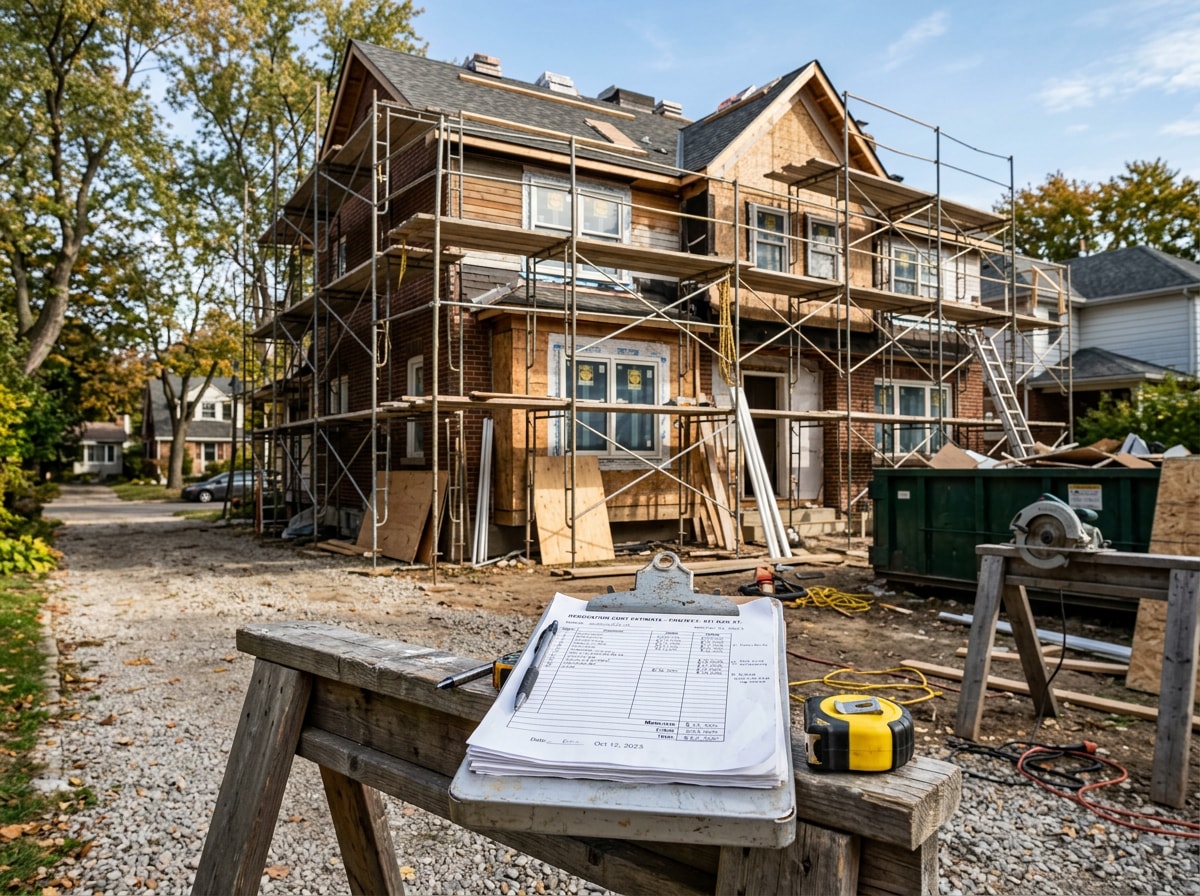
Most general contractors ask for a deposit of roughly 10% to 30% of total project cost upfront, followed by a payment schedule tied to milestones, such as framing complete, rough-in done, and final walkthrough. Some states cap how much a contractor can legally collect as an upfront payment, so it's worth checking Alabama's specific rules before signing.
Avoid paying the full amount upfront no matter how reasonable the contractor seems. The FTC's guidance on avoiding home improvement scams recommends tying payments to completed work and getting everything in writing before any money changes hands, advice that applies just as much to a Homewood remodel as anywhere else.
Ready to compare an actual bid against these ranges? Get a free estimate before you sign anything, and bring your contractor's fee structure with you so we can walk through it together.
FAQ
What is a reasonable fee for a general contractor?
A reasonable general contractor fee for most residential work falls between 10% and 20% of total project cost, with complex or luxury projects sometimes reaching 25%. Anything well outside that range, especially far below it, is worth questioning, since it may signal missing scope or hidden costs added later.
How much should I pay a contractor upfront?
Most contractors ask for a deposit between 10% and 30% upfront, though some states cap that percentage by law. Check Alabama's specific rules before signing, and avoid paying more than that cap. The rest of the payment should follow a milestone-based schedule tied to completed work, not a calendar date.
What is the average markup for a general contractor?
The average contractor markup refers to two different numbers: the overall fee percentage (10% to 20% of total project cost) and material markup specifically, which commonly runs 10% to 30% on materials alone. Mixing these up causes confusion when comparing bids, so ask contractors to break out each markup separately for an apples-to-apples comparison.
How do general contractors get paid?
Most general contractors get paid through a deposit followed by milestone payments tied to completed phases of work, like framing, rough-in, and final walkthrough. The fee itself (10% to 20% of cost) is usually built into each payment rather than collected as one lump sum at the end.
Do general contractor fees cost more in Homewood than other Birmingham suburbs?
The fee percentage itself is typically similar across Homewood, Hoover, and surrounding suburbs, usually within the same 10% to 20% range. Dollar totals can vary slightly based on local labor availability and project demand, but the bigger driver is project scope, not zip code.
What's included in a general contractor's fee?
A general contractor's fee covers subcontractor coordination, scheduling, permitting, inspections, and overhead, plus profit margin. It is not simply payment for hours worked on-site; it's compensation for managing the entire project so trades, materials, and timelines line up correctly.
---
About the author: This guide was written by the team at Old Bama Waterproofing & Construction, a licensed general contracting company serving Homewood, AL and the surrounding Birmingham metro. For a deeper breakdown of how percentage-based fees are calculated on larger projects, see our general contractor markup guide for Vestavia Hills homeowners. Questions about a bid you've received? Contact us for a free estimate and a second opinion.